
The month ended. The month is finished.
Then, you should check the restaurant’s bank account.
The number you received wasn’t what you had hoped for.
Restaurant owners may be frustrated by this, as they believe that profits and cash flow should be identical. They aren’t. A P&L measures the financial performance of a company over a specified time period, whereas it is a bank account that shows the exact timing of funds entering and leaving the company.
Knowing the difference can change the way a restaurant owner is able to view their financials.
Check out the typical week. The customers pay for food. It is important to pay employees. You will receive invoices for the delivery of food and drinks. Rent is on the way. Credit card deposits come with their own schedules. Sales tax is collected however it’s also the responsibility.
Meanwhile, next week’s purchasing has already begun.
If you only focus on revenue and the end-profit number it’s easy to miss a an abundance of activity.
The Secret Could Be Hidden in Prime Cost
Food, beverages and labor costs are worth a closer look when restaurant profitability starts to fall.
Cost of selling goods with labor is the main cost. The Bookkeeping Chef’s guidance puts the cost of goods sold at 60% to 65 percent for most restaurants and emphasizes monitoring on a weekly basis instead of waiting until the end of the month.
It is crucial to be able detect changes early than obsessing about a specific percentage.
Let’s say that typically, the restaurant performs near its target however this week it’s more of a percent. Maybe overtime increased. Perhaps, the costs for beverages remained constant but food costs increased. A higher food percentage might cause the manager to look at purchase, waste, menu mix, portions and vendor invoices.
The percentage raises a concern. The activities that underlie the restaurant provide the answer.
A weekly report can make an opportunity for conversation while everyone is still able to remember what happened.
The details will be more difficult for you to recall just a few days later.
Once the vendor invoices are received
The restaurant will pay later for the food items it purchases. This explains why that understanding profit alone isn’t the answer to every cash-related question.
Invoices from vendors must be received, tracked and paid. This is quite a task in an organization with many suppliers.
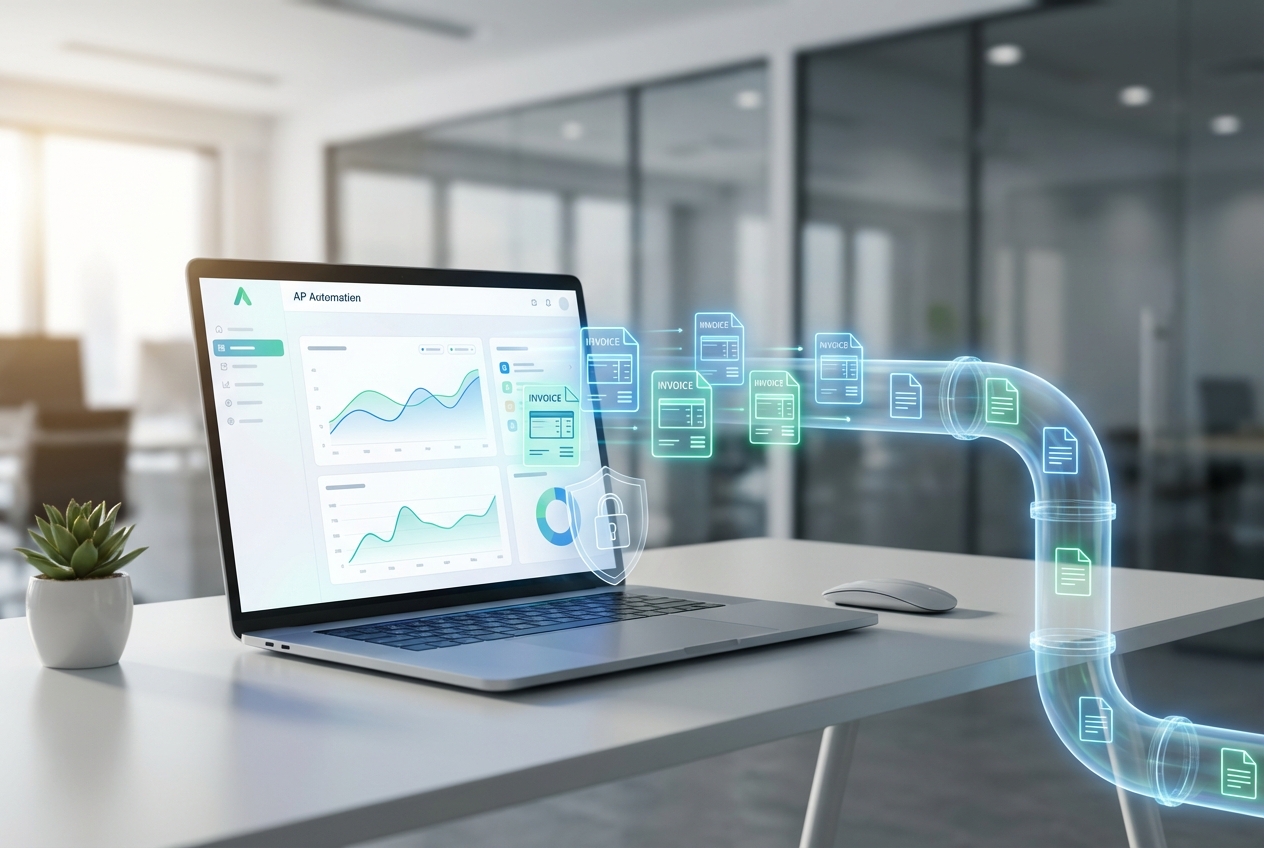
Accounts payable automation helps organize this process by reducing repetitive handling of bills and payment information. The bookkeeping system that is connected to the internet can give the owner a clearer picture of debts that haven’t yet been paid into the account of the bank.
It’s important because the bank’s balance in isolation can look healthier than a restaurant’s current position.
It is possible that there are $80,000 in your account as of right now. The amount could mean something different depending on other factors like rent or payroll, vendors, and other obligations over the next few days.
This leads to the cash flow forecasting.
What happens to our money after we’ve received the money that we expect and met all of our obligations?
It is important to know the difference before deciding if this week is an ideal time to replace equipment or buy more items or preserve liquidity.
And Some of the Cash Was Never Yours
The sales tax example is a good example.
Restaurants receive money from customers which will need to be dealt with according to its tax obligations. If these funds are added to cash flow, the balance of the bank account could provide an inaccurate picture of how much money is available.
The consistent recording system allows restaurants comply with sales tax laws and also providing a complete overview of their financial standing.
Accounting for restaurants is more efficient when the financial obligations of each restaurant are not separated.
Prime cost affects margin. Vendor purchases affect COGS and future payments. Payroll is a factor that affects both the labor and cash percentage. Sales tax affects cash availability. P&Ls track financial performance, while forecasting lets management look ahead.
Connect the pieces.
Bookkeeping Chef is a restaurant-specific report that integrates and system integrations. For those who don’t wish to be slavishly reconciling financial data, specialized outsourcing bookkeeping services can take care of the bulk of accounting tasks without having to remove the owner from financial conversations.
It’s the last part that is important.
The goal isn’t for restaurant owners to not look at their books since someone else handles them. It’s to provide owners with details in a manner which helps them comprehend what’s going on.
Don’t assume that the P&L is incorrect if the bank account appears to be in good shape, but the P&L shows the restaurant has made money.
Find out what happened between you and your partner.
This question can tell you more about your business than any number.